
If you play Rabbit Road seriously, you know luck is not all https://rabbitsroadcasino.com/. Chatting with other dedicated players around the UK, I continually hear the identical sentiment. Their edge often stems from mental visualisation. This is no trick. It’s a straightforward cognitive tool for preparing mentally. By clearly imagining the rhythm of the game, the rotation of the wheels, and potential results, you build a mental framework. That map can improve your attention and the choices you pursue. Here, I’ll take you through visualization techniques tailored to Rabbit Road. I’ll demonstrate how they can hone your intuition and could possibly alter how you experience the game, all from a mental viewpoint.
Getting ready for the Bonus Round: A Cognitive Walkthrough
The extra round is where visualisation pays off. I often perform a complete psychological walkthrough of activating and playing Rabbit Road’s bonus features. I start by visualising the exact condition needed to trigger it, like the necessary symbols aligning into a perfect shape. Then I simulate the full bonus in my imagination. If it’s free spins, I picture the number granted, any special expanding symbols at work, and the chance of re-triggers. I imagine watching multipliers climb. This preparation has two clear effects. It takes the edge off that frantic excitement that can ruin your judgment when a bonus actually hits. It also helps me grasp the feature’s mechanics more deeply, so when it happens for real, I can engage with it strategically, not just react to it.
Integrating Visualisation with a Strong Bankroll Strategy
Visualisation is effective when it’s connected to the hard facts of bankroll management. My mental practice always includes this element. Before a session, I imagine the entire process of determining my stake. I picture myself deciding on a session budget, dividing it into a specific number of bets, and intentionally picking my bet per spin. I then mentally run a scenario where my budget runs out, envisioning myself quitting the game without a second thought. I also imagine reviewing my balance at set intervals. Connecting these images with fiscal discipline guarantees that when I play, my pre-set financial limits feel like a routine, set part of the process. That safeguards me from reacting on impulse.
Imagining Symbol Channels and Payout Groups
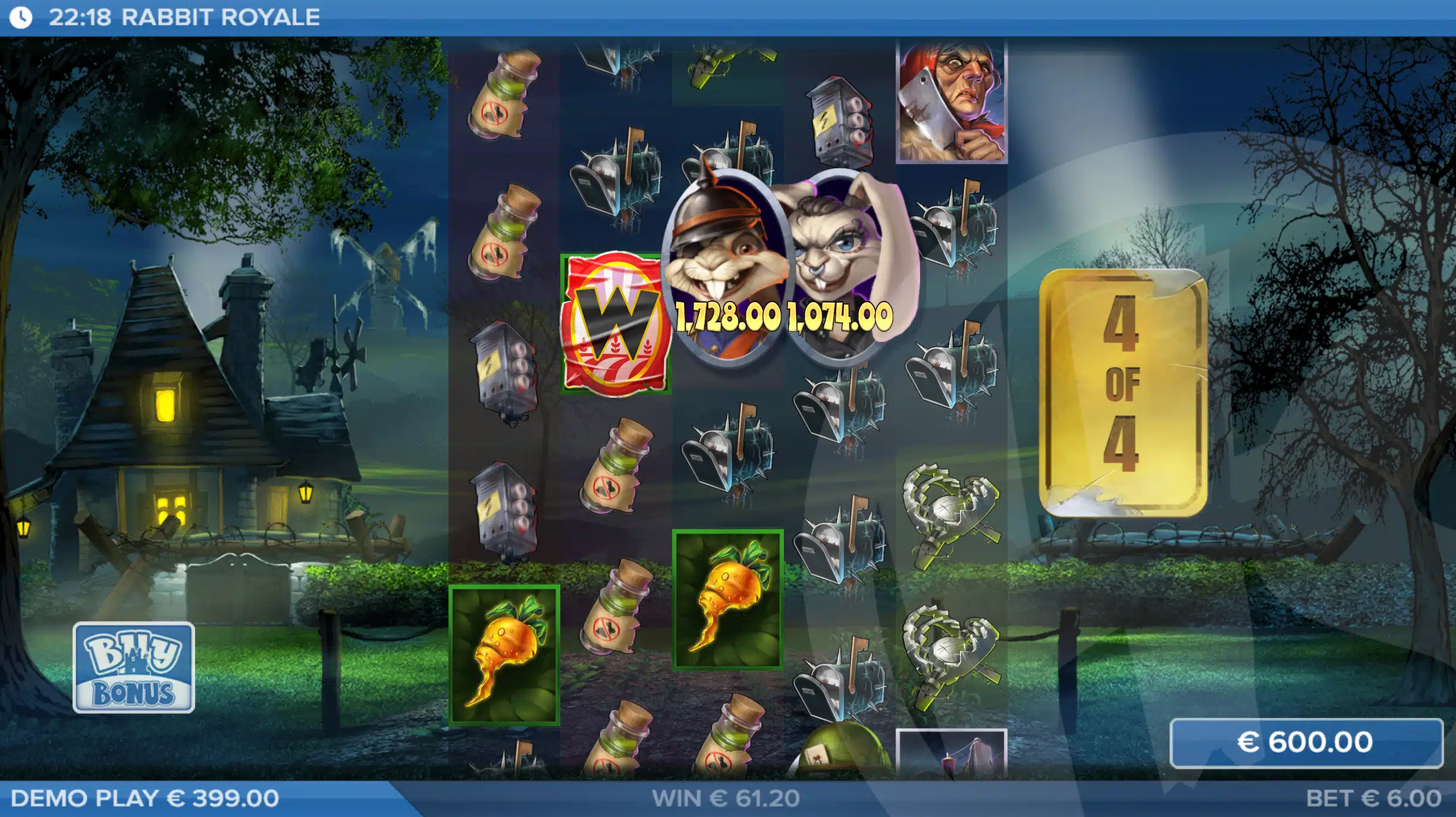
A method I deem useful aims at the game’s own machinery. Rabbit Road’s cascading reels and cluster pays match this excellently. I don’t picture frozen symbols. I envision the action. I mentally simulate a winning cluster mentally: the symbols light up, they disappear, and fresh ones cascade down to replace them. I picture the chain reaction that might ensue. I also imagine the different symbol types and their values, etching their order of worth into my memory. This type of focused drill aids me detect potential winning patterns more quickly during a real game. It also offers me a gut feel for the game’s volatility by replicating both common little wins and those rare, big cluster combos in my head.
Mood Management Through Beneficial Scenario Scenarios
Visualisation is a powerful method for dealing with the psychological swings of any casino game. I employ it to train keeping cool. I deliberately picture scenarios like a prolonged period without a solid win. In my mind, I visualize myself calmly reaching my loss limit and signing out without feeling irritated. On the other hand, I also visualise a big win. I focus less on the excitement and more on the aftermath: watching the win land, then carefully reviewing my balance, and determining a definite plan for the session or setting aside a chunk of it. This shapes my emotional reflexes. It decreases my likelihood to pursue losses or thoughtlessly wager a large win back. The objective is to make regulated actions feel like my automatic setting.
The Fundamental Concept: Visualisation Before You Play
Consider visualisation a rehearsal for your mind. I don’t open Rabbit Road immediately. First, I settle somewhere quiet for a few minutes with my eyes closed, rehearsing the whole sequence in my head. I call up the specific game theme, the noise of the reels spinning, the clatter of symbols falling into place. The point is never to will a jackpot into reality. It’s to get the game’s rhythm recognisable to my brain. That reduces surprise and anxiety when the real play commences. Golf pros and soccer players use this to improve a shot. We can leverage it to build a serene, keen, and deliberate start to a gaming session. Rehearsing both ordinary spins and bonus triggers in my head prepares me to remain steady. That steadiness is what enables me to adhere to a budget and a plan.
Building Your Custom Rabbit Road Imagery
Effective visualisation needs vivid, concrete imagery. Fuzzy ideas don’t work. I make a clear mental film with me in the lead role. I visualize the precise device I’ll play on, the light in the room, the pressure of my finger on the mouse or screen. Then I populate that space with Rabbit Road’s world. In my mind, the reels become a living path, with the rabbit character set to move. I focus on the distinct green of a clover symbol, the twitch of an animation, the distinct chime for a small win. This vivid detail forges a more powerful connection in the brain. Moving from mental practice to the actual game feels natural, and I start strong the second the lobby appears.
Regular Practice Routine for the United Kingdom Player
For these techniques to stick, you should practice them regularly, not just when you’re about to play. I allocate five minutes a day for a systematic visualisation routine, entirely separate from gaming. You can adopt this straightforward structure:
- Relaxation:
- General Game Imagery:
- Mechanical Run-through:
- Bonus Round Rehearsal:
- Emotional & Financial Anchoring:
This daily drill creates mental muscle memory. Stick with it, and entering a state of calm, strategic focus will start to feel automatic when you log in to Rabbit Road. That improves your control, and your enjoyment of the game.